


CASE STUDY
2026Powder Coating System for Metal Surfaces
Customer
Thermo Color
Objective
- Start a new business specializing in the treatment and finishing of metal surfaces.
- Ensure high standards of finish quality and continuity in the production process.
- Invest in technology that can support the company’s future growth.
Challenges
- Design a system that is consistent with the available space, logistics, and production schedule.
- Integrate current operational needs with a configuration designed to accommodate future expansions.
Impact
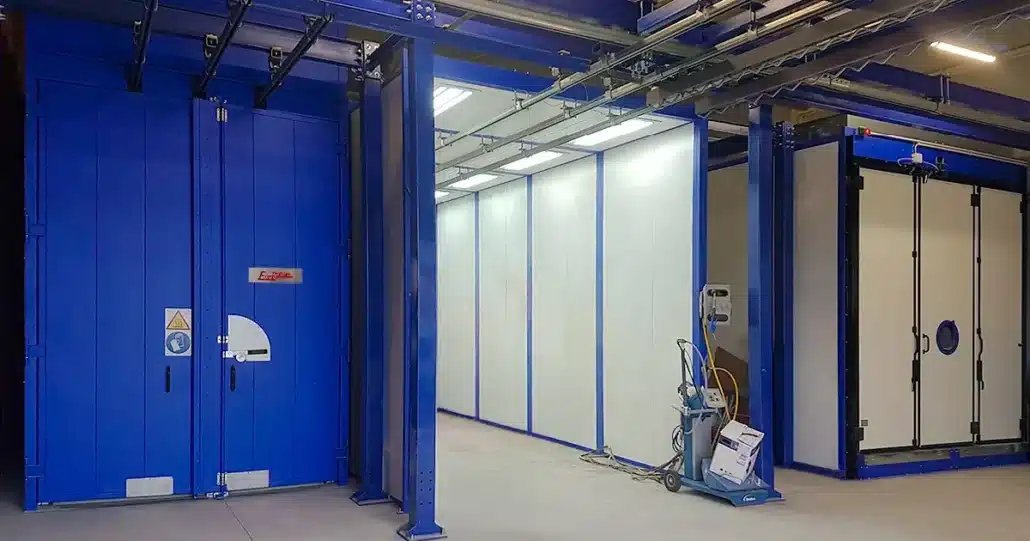
The project is based on a specific principle: a new facility must not merely meet current needs, but must also create the technological conditions to support the evolution of the business. For Thermo Color, Eurotherm therefore designed a customized solution that took into account finish quality, production capacity, available space, and logistical organization. The configuration developed was designed to allow for future expansion or integration with additional systems and machinery. The result is a production platform designed not only for painting but also to support a path of growth while maintaining consistency between process, quality, and operational flexibility.
The implemented solutions are distinguished by:
- Custom design based on the customer’s actual production configuration.
- Powder coating technology focused on quality and process consistency.
- Preparedness for the system’s future evolution.
Designing Technology Based on the Process
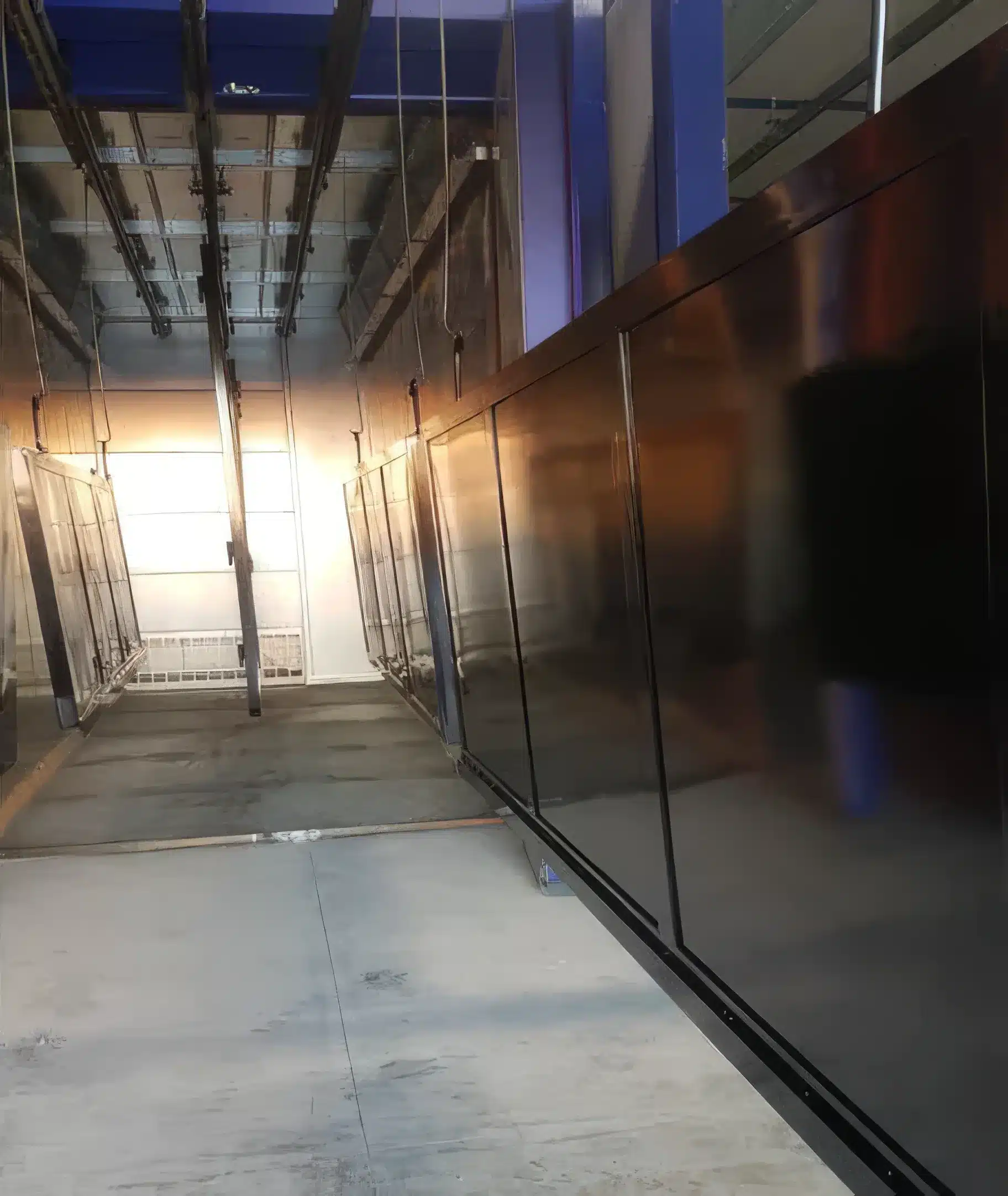
The first technological decision concerns how to organize the finishing process based on the product and production objectives. Before designing the system, Eurotherm analyzed Thermo Color’s requirements in terms of quality, throughput, space, and logistics, and translated these constraints into a customized technical configuration.
This approach allows us to view the coating process as an integrated system, in which each stage must be consistent with the next. In the treatment of metal surfaces, in fact, the final result depends on the proper preparation of the workpiece, the application of the powder, and the subsequent curing. The technology must therefore be designed as a single process, not merely as a collection of machines.
Powder Coating: Precision in Surface Treatment
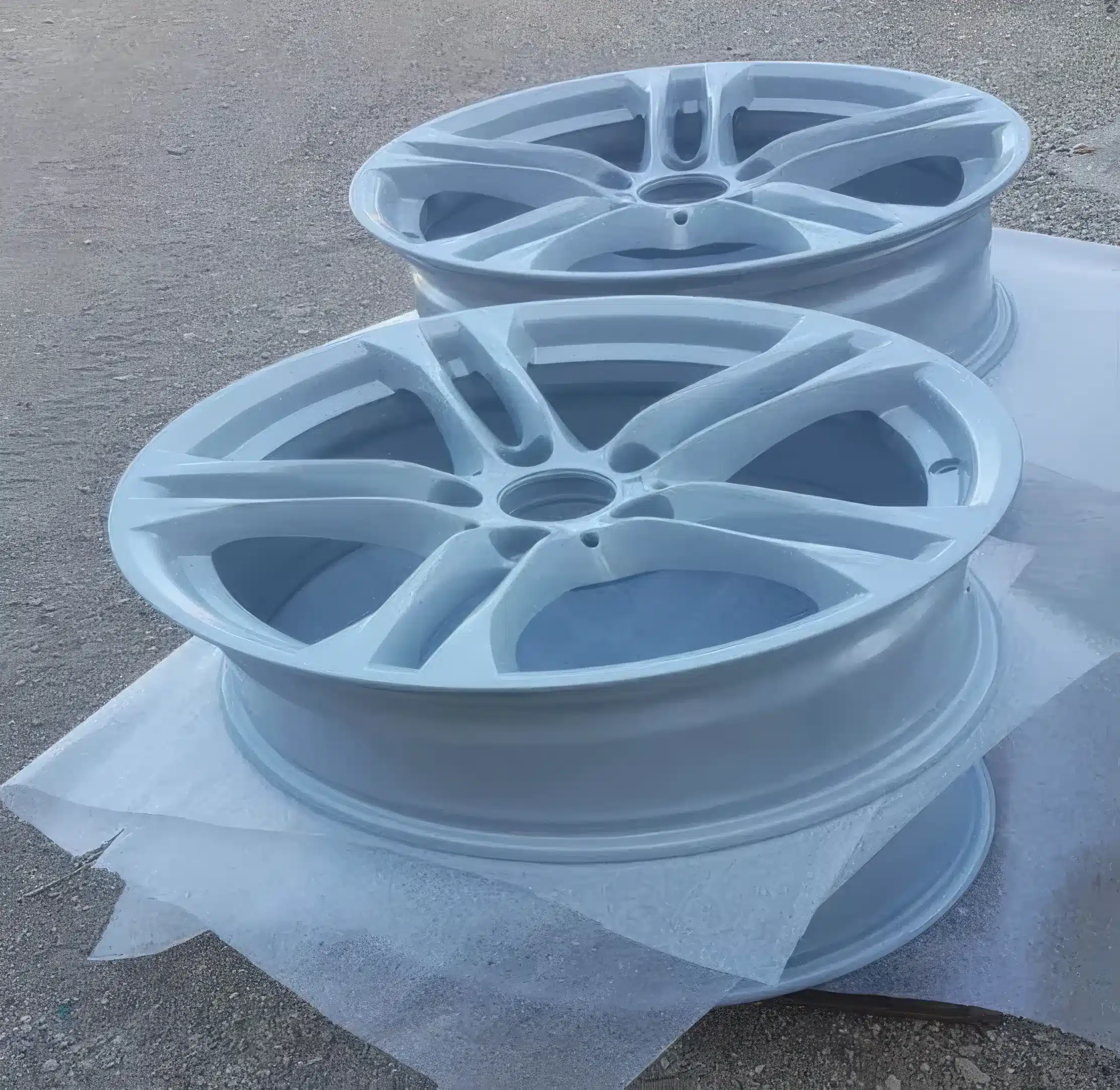
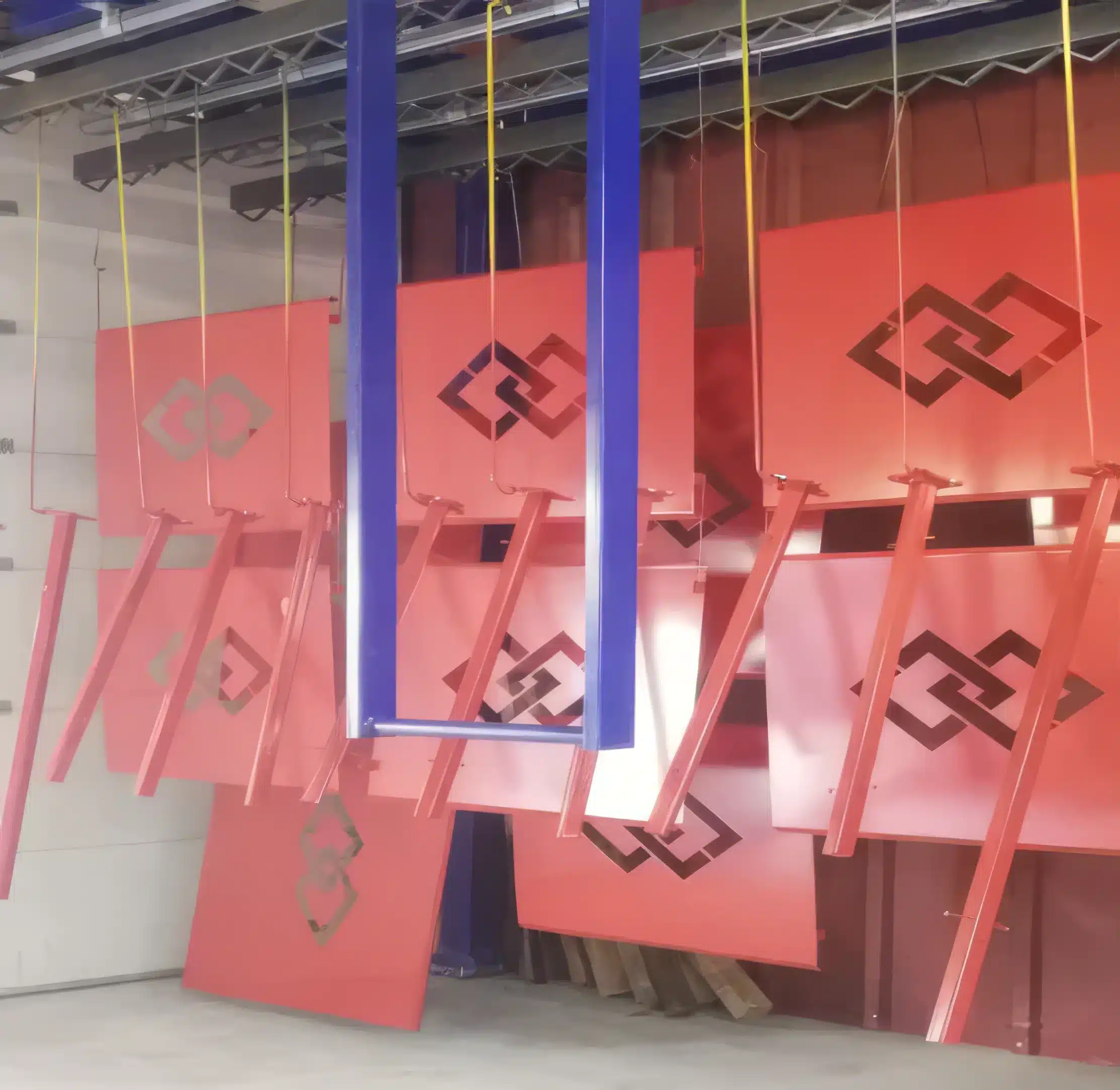
This application technology allows powder coating to be applied directly to the metal surface, after which the process is completed by baking in an oven. It is a solution used in numerous industrial applications and allows for the combination of aesthetic and performance requirements, with the powder formulation selected based on the component’s intended use. The choice of technology must therefore take into account not only the appearance of the finish but also the characteristics required of the part. Epoxy powders are used primarily in industrial settings due to their resistance to corrosion and chemicals; polyester, on the other hand, offers good resistance to weathering and UV rays, while hybrid epoxy-polyester formulations provide a balance between these different properties.
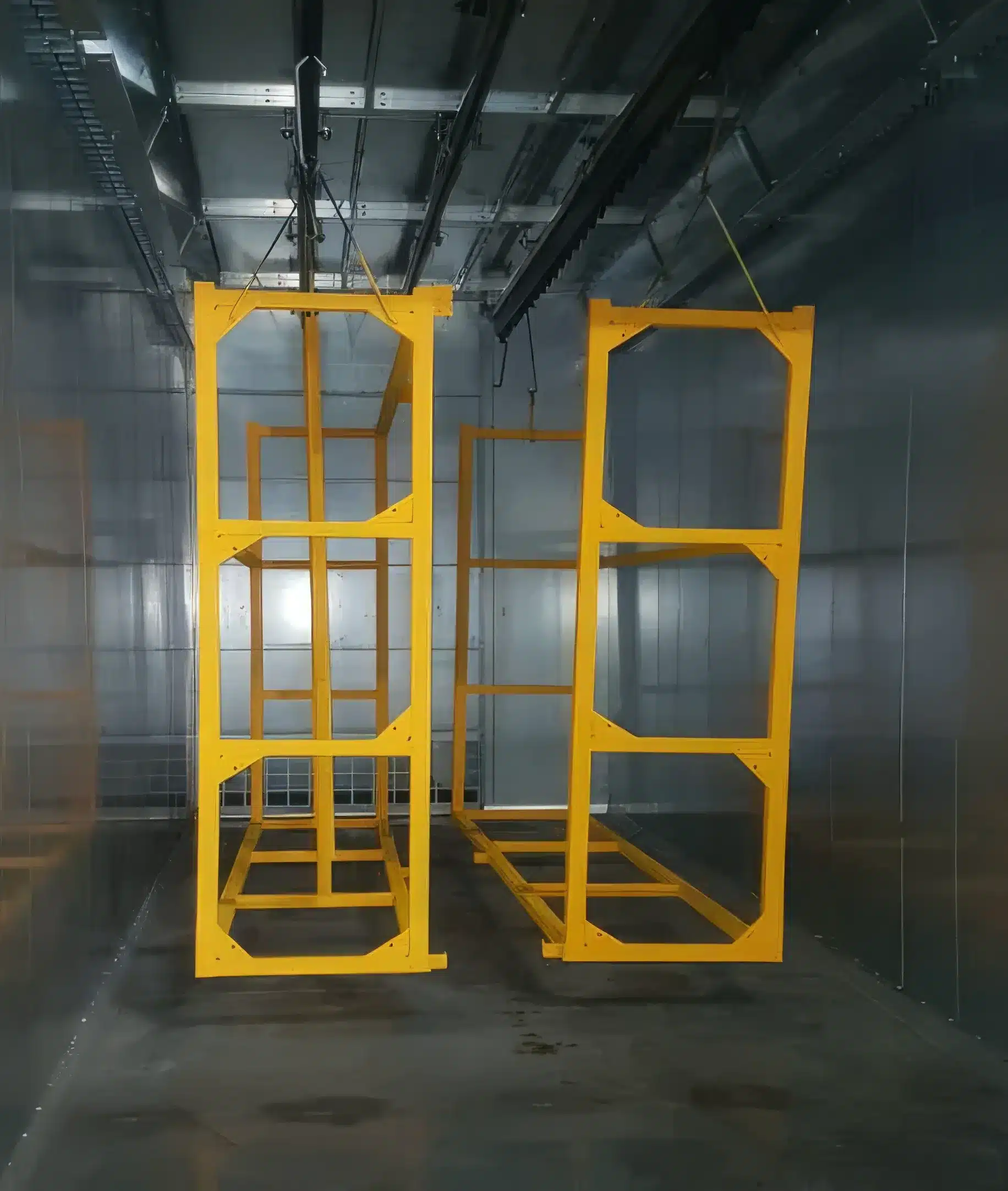
A system designed to grow
The most significant technological aspect of the project is its scalability. For Thermo Color, the plant was designed to meet initial production needs without losing sight of future developments, with the possibility of being expanded or integrated with other systems and machinery. This is an especially important feature for an industrial enterprise in its start-up phase: investing in technology means creating, from the very beginning, a production structure capable of adapting to different volumes, applications, and demands. In this project, flexibility is not an afterthought but a requirement built into the plant’s design.