


Learning center
2026Powder coating defects: common causes and how to avoid them in the industrial process
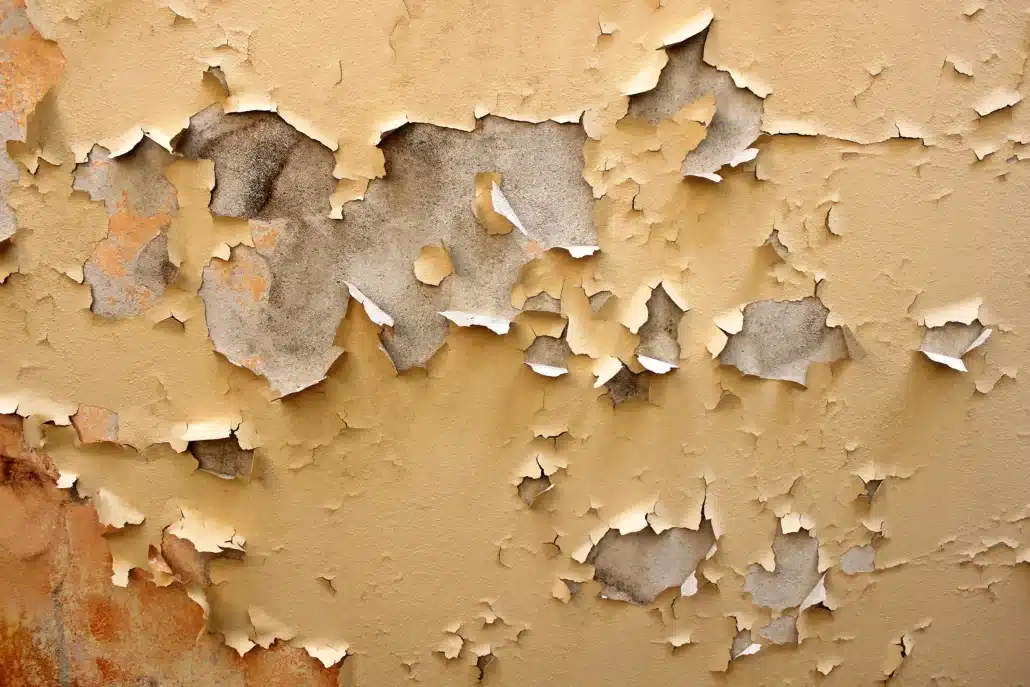
In industrial powder coating, the quality of the finish is a critical element that goes beyond simple aesthetics. In fact, a coating free of imperfections is essential to ensure the continuity of the protective film, long-term adhesion, and the resistance of the artifact to external agents. Every single surface anomaly must be interpreted as a sign of a criticality along the production cycle, making it necessary to have an integrated control that starts from substrate preparation and goes all the way to final curing.
The main types of defects and their origins
Managing excellence requires integrated control of substrate, environment and planting parameters. Some of the most common defects include:
- 01
Pitting and inclusions that manifest as small dots or foreign particles visible in the finished film. They often result from environmental contamination, suspended dust or impurities in the recovered powder. In powder coating, as the material is applied electrostatically, any environmental agglomerates or fibers can become visible after baking.
- 02
Craters and film breaks are often caused by the presence of contaminants on the substrate, such as oils, grease or pretreatment residues, which prevent the powder from adhering and spreading evenly.
- 03
Pinholes or pinholes are micro-cavities that form due to evaporation of gas or moisture from the substrate during firing. This problem is particularly common on porous materials such as castings or hot-dip galvanized fabrications.
- 04
The orange peel defect gives the surface a grainy, rippled appearance. This phenomenon indicates a failure to spread the film during the oven fusion phase, i.e., uneven distribution of the material often related to application parameters or from suboptimal calibration of the electrostatic gun.
- 05
Agglomeration and poor flow: the presence of residual moisture can alter the flowability of the powder, promoting the formation of lumps that compromise the regularity of the coating.
- 06
Poor adhesion: inadequate pretreatment or the presence of machining dust on the workpiece can weaken the bond between the coating and the substrate, leading to early detachments.
- 07
Delamination and adhesion problems are the most critical issues, as they lead to coating detachment. The causes almost always lie in inadequate chemical pretreatment or the presence of oily residues on the surface of the part.
- 08
Opaque varnish: unwanted matting or gloss variations, on the other hand, signal an imbalance in the curing phase. If the heat in the oven is not evenly distributed, crosslinking of the powder may be incomplete or excessive, altering the final gloss.
Get in touch
Protect your production from the risk of imperfections with systems designed for maximum cleanliness. Eurotherm solutions provide total control over filtration and air parameters, ensuring consistent results over time.
Strategies for effective prevention
To eliminate the appearance of these defects at the root, a systemic approach must be taken to make the entire coating cycle stable. Eurotherm technologies are specifically developed to neutralize the variables that interfere with quality. The first defense against any defect is perfect substrate preparation. Multi-stage degreasing and rinsing, followed by thorough drying, ensure that the powder adheres to a chemically stable surface. Inside the spray booth, climate control is critical. The use of advanced filtration systems and balanced airflow dramatically reduces the risk of contamination from external dust. In addition, constantly monitoring temperature and humidity allows the ideal fluidity of the applied material to be maintained.
Equipment maintenance plays an equally decisive role. Regularly checking the condition of electrostatic guns and feeding systems prevents uneven deposition, while proper management of recovery powder prevents reuse of polluted material. Finally, the firing stage must be managed with absolute precision. Furnaces designed to ensure temperature uniformity allow perfect melting and crosslinking, eliminating problems with gloss or film brittleness.
Stability and operational control
Quality consistency depends on the repeatability of working conditions. Performing scheduled maintenance on suction systems and replacing filters when necessary is essential to prevent drifts in the process. Using certified measuring instruments allows intercepting drifts in the process before they turn into production waste. Constant monitoring of the quality of the output coating allows for early interception of any anomalies and restoration of optimal production parameters. A controlled working environment and reliable plant technology are the only tools that can transform industrial coating into a defect-free process.
Get in touch
Surface defects ruin the aesthetics and protection of your surfaces. Eurotherm technicians analyze each situation to eliminate any impurities at the root and prevent defects in powder coating. Contact us to identify the cause of the defect and achieve a perfectly even industrial finish.