


Learning center
2025Surface treatments and pretreatment for powder coating: a guide to perfect cycles
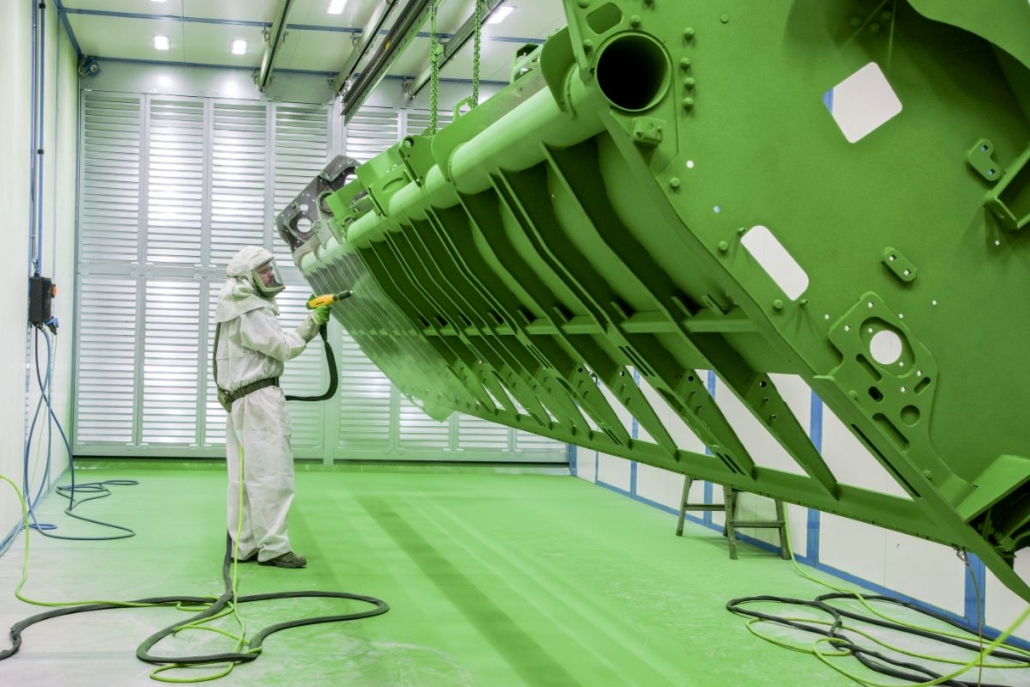
The importance of preliminary steps to ensure adhesion and durability of the coating
Surface treatments are the basis of every powder coating cycle: they include mechanical and chemical operations that improve the adhesion of coatings, even out surfaces, and determine their durability over time.
Within this set are pretreatments, specific preparatory steps that aim to remove contaminants and/or create optimal conditions for the subsequent application and curing phases. During pre-painting processing, surfaces accumulate various types of contaminants that, if not properly removed, can compromise the entire painting cycle causing aesthetic defects and structural problems over time.
Improperly performed pretreatment leads to several problems, including poor paint adhesion, aesthetic defects such as pinholes or orange peel effect, flaking of the coating, and uneven finish. Avoiding these coating problems has immediate feedback throughout the production cycle. The main advantages are:
- Faster painting process;
- Less waste of resources and materials;
- Durable and aesthetically satisfying coating.
The choice of pretreatment to be performed is related to the material to be coated and the intended use the item will have once it leaves the company. This is why each industry adheres to specific industry standards when it comes to choosing the right pretreatment for a type of product. Aerospace, ACE and automotive are among the industries with the most stringent standards, given the environmental and wear stressors to which their manufactured goods are subjected.
The main steps of industrial powder coating surface treatments
As mentioned above, the pretreatment process is defined according to the material to be coated, its intended use, and the desired aesthetic characteristics.
This implies that pretreatment will have different procedures aimed at satisfying these three factors. However, we can identify some steps common to most powder coating pretreatment cycles:
- Evaluation of substrate conditions;
- mechanical pretreatment;
- chemical pretreatment.
Substrate condition assessment: the first step of surface treatments
Every material is subject to defects and contaminants related to its inherent characteristics and the processing to which it is subjected.
Assessing the initial state of the substrate allows defining a pretreatment cycle focused on solving precise problems.The substrate may have surface defects caused by previous processing, impacts, environmental conditions, spontaneous chemical processes. Depending on the material, these issues are manifested by:
- rust or corrosion;
- calamine (dark, flaking oxide layer on hot-rolled steel);
- Welding spatter, sharp edges, slag;
- Presence of shrapnel;
- grease, oil, fingerprints;
- Old coatings or residues;
- Surface damage (dents, scratches, cavities).
Once the surface has been examined and the defects and contaminants to be removed have been determined, suitable mechanical and/or chemical pretreatments can be carried out.
Get in touch
Rely on Eurotherm’s experience.
Optimize your powder coating cycle with equipment designed for performance and sustainability.
Contact us for personalized technical advice.
Mechanical surface treatments: sandblasting and sanding
Due to friction between surfaces, mechanical pretreatments allow the substrate to be evened out by removing protrusions and contaminants, and prepare it for coating adhesion. Among the most commonly used methods are sandblasting and sanding.
Sandblasting
Blasting is an abrasive process that uses a grit projected at high speed onto the surface to be treated. Depending on the material to be treated, different types of grit are used. This treatment removes rust, previous paint and impurities, leaving a uniform surface ready for subsequent passes.
The degree of effectiveness of blasting is measured by following international standards. In the case of steel, surface cleanliness conditions are classified according to ISO 8501-1, which defines the different degrees of preparation (Sa 1-3) to ensure the quality of surface preparation.
This treatment takes place inside sandblasting booths, either manual or automatic, or by air blasting machines, as described in the Eurotherm Learning Center article on industrial painting systems: Industrial sandblasting, how to prevent paint defects.
Sanding
Sanding is a gentler abrasive method than sandblasting to remove additional imperfections. This step is particularly useful where there is extensive rust or stubborn residue. The result varies depending on the grit used: coarser for major removals, finer for delicate sections.
Chemical surface treatments: degreasing and cleaning
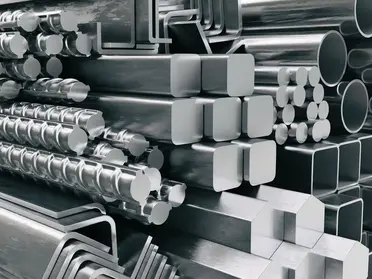
Through the use of chemical agents, this type of pretreatment prepares the surface for painting. Chemical pretreatments have two main objectives: removal of contaminants and improvement of adhesion.
Degreasing: chemical-mechanical removal of contaminants
Degreasing is the initial stage of pretreatment and is carried out by a detergent aqueous solution that, through the action of surfactants, emulsifies and lifts oils, grease, organic residues and metal particulates from surfaces.
The composition of the degreasing bath (alkaline, neutral or acid pH; presence of chelating agents or specific additives) is chosen according to the nature of the contaminant and the material being treated. The process can be performed by immersion, by spraying through nozzles or delivery ramps, or by ultrasonic for components of complex geometry that require deeper mechanical action.
Washing and rinsing: elimination of chemical residues
After degreasing, rinsing with water is necessary to completely remove residues of the cleaning solution and dissolved contaminants. This step, also called rinsing, is essential to avoid contamination of subsequent steps.
Depending on the production type, washing can be done manually or in an automated manner within multistage cabins or tunnels, often with cascade rinses that use osmotized or demineralized water to optimize water consumption and ensure surface purity.
Eurotherm integrated process: degreasing and rinsing in sequence
In Eurotherm plants, the degreasing and rinsing stages are handled in an integrated and sequential manner within the same treatment system, whether manual or automated.
This approach makes it possible to ensure complete removal of contaminants, maintain the chemical balance of the surface, and optimally prepare it for subsequent conversion stages (passivation, or primer application).
The integrated process also makes it possible to reduce cycle times, optimize water and detergent consumption and ensure uniformity of the protective film on all metal surfaces, in line with ISO 12944 standards and best practices in the paint industry.
How to choose pretreatment: an overview of paintable materials
Each material has specific problems and treatment needs that depend on its inherent characteristics and affect the entire coating process. The macrocategories of powder coatable surfaces are:
-
01
METAL
-
02
PLASTIC
-
03
GLASS
-
04
WOOD
Get in touch
Reduce defects, time and consumption in your paint cycle.
Eurotherm solutions integrate energy efficiency and maximum performance. Talk to our technical team.
Metal surface treatments: pretreating steel and aluminum
Powder coating of metals presents several difficulties due to the presence of surface contaminants such as oils, rust, scale and oxidation, which can prevent proper adhesion and cause coating failure. In addition, metals are prone to corrosion if not properly protected before painting. To address these problems, thorough pretreatment is essential.
This generally includes degreasing and cleaning to remove oils and dirt, followed by mechanical abrasion such as sandblasting to remove rust and create a suitable surface profile. Next, chemical treatments such as phosphate or conversion coatings are applied to improve corrosion resistance and promote bonding between the metal and the powder coating.
Among the most coated metals are steel and aluminum. Surface treatments for steel include operations aimed at removing scale and oxides by sandblasting or shotblasting, followed by protective chemical conversions that increase the durability of the coating. These processes are specified in ISO 12944-4, which outlines international standards to be followed to prevent surface corrosion through proper pretreatment and coating process.
Aluminum surface treatments involve specific degreasing and chromium-free conversion processes, which are essential to ensure optimal powder adhesion and long service life. After the specific treatments, metal surfaces are rinsed with deionized water and dried to ensure a clean, moisture-free substrate before applying the powder in the booth.
Plastic surface treatments
Powder coating on a plastic substrate is particularly complex because of low surface energy, poor thermal stability, and lack of electrical conductivity. Plastics do not readily attract dust particles during application and may warp or degrade under the high heat normally required for curing. Specific pretreatment methods are needed to handle these problems.
Cleaning the surface with solvents or detergents removes contaminants, while mechanical abrasion or light sanding helps improve physical adhesion. More important are surface activation techniques, such as preheating or plasma treatment, which increase surface energy by improving the bond between the plastic and the coating. In many cases, adhesion promoters or primers specially formulated for plastics are applied to further improve the durability and performance of the coating.
Glass surface treatments
Powder coating of glass is subject to several issues due to the material’s smooth, non-porous surface, low surface energy and lack of electrical conductivity, which make it difficult for powder particles to adhere during application. In addition, glass is brittle and sensitive to rapid changes in temperature, increasing the risk of breakage or cracking during the curing process. For these reasons, proper pretreatment is essential.
The glass must first be thoroughly cleaned and rinsed with distilled water to avoid staining. Light abrasion by sandblasting makes the surface rougher and improves mechanical adhesion. To make the substrate conductive, a layer of a static fluid is applied that will promote powder adhesion.
Wood surface treatments
Powder coating wood requires specific treatments because of the material’s natural porosity, nonconductive surface, and sensitivity to heat and moisture. A wood substrate is naturally moist, but if internal moisture is excessive this can cause blistering, gas leakage or warping during the curing phase. The pretreatment cycle goes a long way toward preventing these issues.
The wood must first be properly dried to reduce moisture content, usually by preheating in a kiln. The surface is then sanded or brushed to make it smooth and remove any contaminants. In some cases, a sealer or edge filler is applied to reduce porosity and improve coating uniformity.
To allow the powder to adhere, the substrate is either preheated so that the powder melts on contact or treated with conductive primers or special application systems. Finally, low-temperature or UV-cured powder coatings are used to prevent damage to the wood during baking.
The importance of pretreatment in the powder coating cycle
A flawless powder coating cycle always begins with a well-designed and properly executed pretreatment. This step is not just a preparatory phase, but a real investment in the quality of the final product: it improves aesthetics, increases durability, and reduces scrap and rework.
Choosing the right pretreatment process based on the material and final application means optimizing the entire production line, ensuring high performance and consistent results over time. Rely on industry experts and appropriate technologies-these are the secrets to a coating that lasts.